
Building Resilient Supply Chains for Emergency Operations
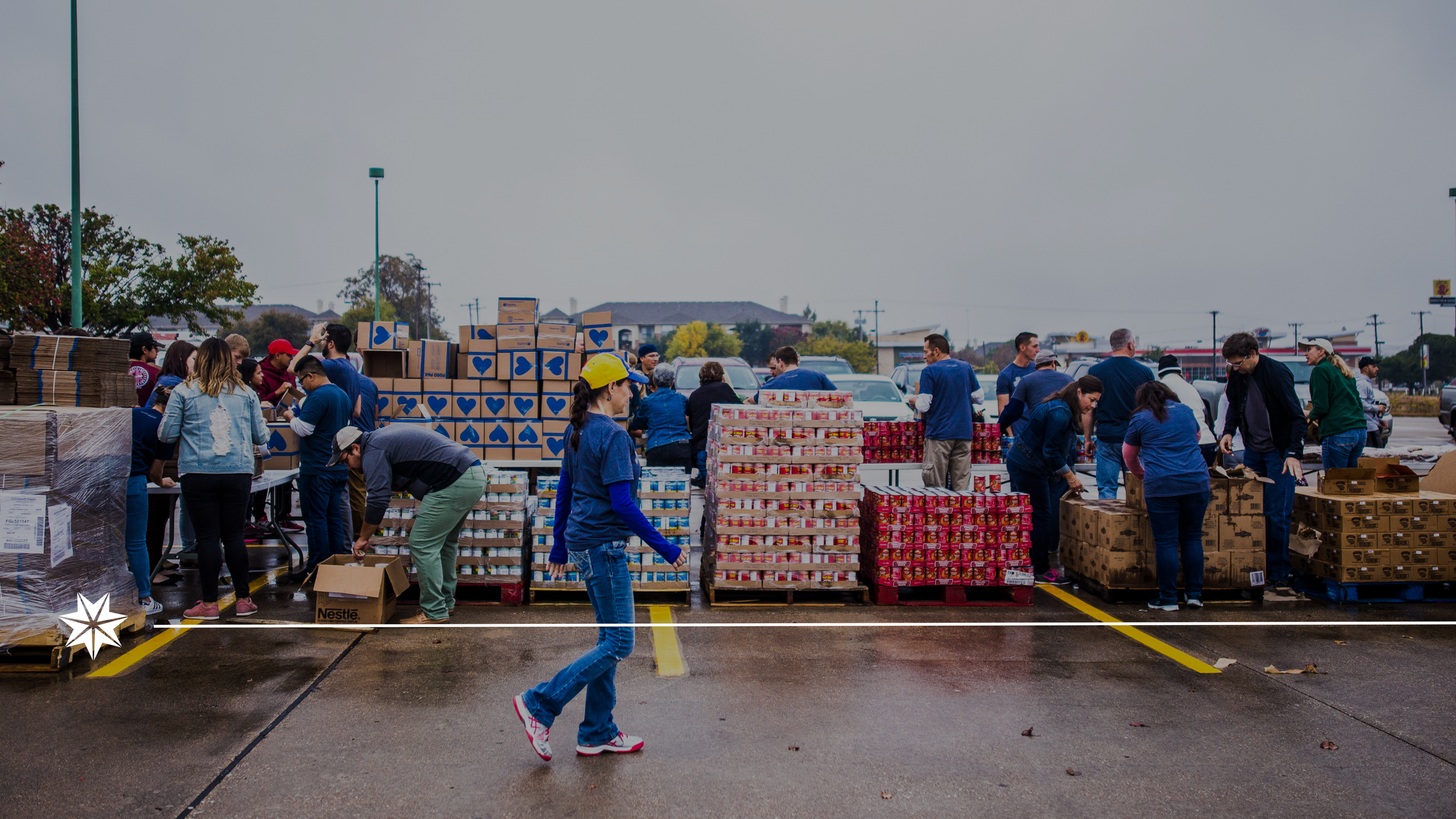
Emergency operations place extraordinary demands on supply chains.
Communities depend on continuous delivery of food, medical supplies, fuel, equipment and emergency resources, often while transportation networks and supporting infrastructure remain disrupted. Building resilient supply chains ensures these essential resources continue moving even under the most challenging conditions.
Resilience has become as important as efficiency.
Supply Chains Must Be Prepared for Disruption
Traditional supply chains often prioritize speed and cost efficiency.
Emergency operations require a different approach – one designed to withstand unexpected disruptions while maintaining continuity. Redundant suppliers, diversified transportation options and pre-positioned resources help agencies continue operating even when primary supply routes become unavailable.
Planning for disruption strengthens operational flexibility before emergencies occur.
Strategic Staging Improves Readiness
Location matters during disaster response.
Strategically positioned warehouses, distribution centers and staging locations reduce delivery times while allowing agencies to rapidly reposition resources as conditions evolve. Pre-established logistics hubs also improve coordination among responding organizations while supporting continuous operations.
Effective staging transforms supply chains into agile response networks.
Sustainment Supports Long-Term Operations
Emergency logistics extends well beyond the initial response period.
Recovery operations often continue for weeks or months, requiring ongoing transportation, inventory management and resource coordination. Sustainment planning helps agencies anticipate changing requirements while ensuring supplies remain available throughout extended operations.
Long-term logistics planning prevents resource shortages while supporting uninterrupted mission execution.
Strong Partnerships Build Stronger Supply Chains
No organization manages emergency supply chains independently.
Government agencies, transportation providers, manufacturers, nonprofit organizations and commercial suppliers all contribute to resilient logistics networks. Strong partnerships improve communication, expand capacity and create greater flexibility when operational demands increase.
Collaboration strengthens every link in the supply chain.
Resilience Strengthens Every Mission
The future of emergency management depends on supply chains capable of adapting to uncertainty.
Organizations that invest in preparedness, strategic staging and integrated logistics planning improve their ability to support response and recovery operations regardless of changing conditions. Resilient supply chains ultimately strengthen mission readiness while ensuring critical resources continue reaching the communities that depend on them most.