
Moving Resources When Every Minute Matters
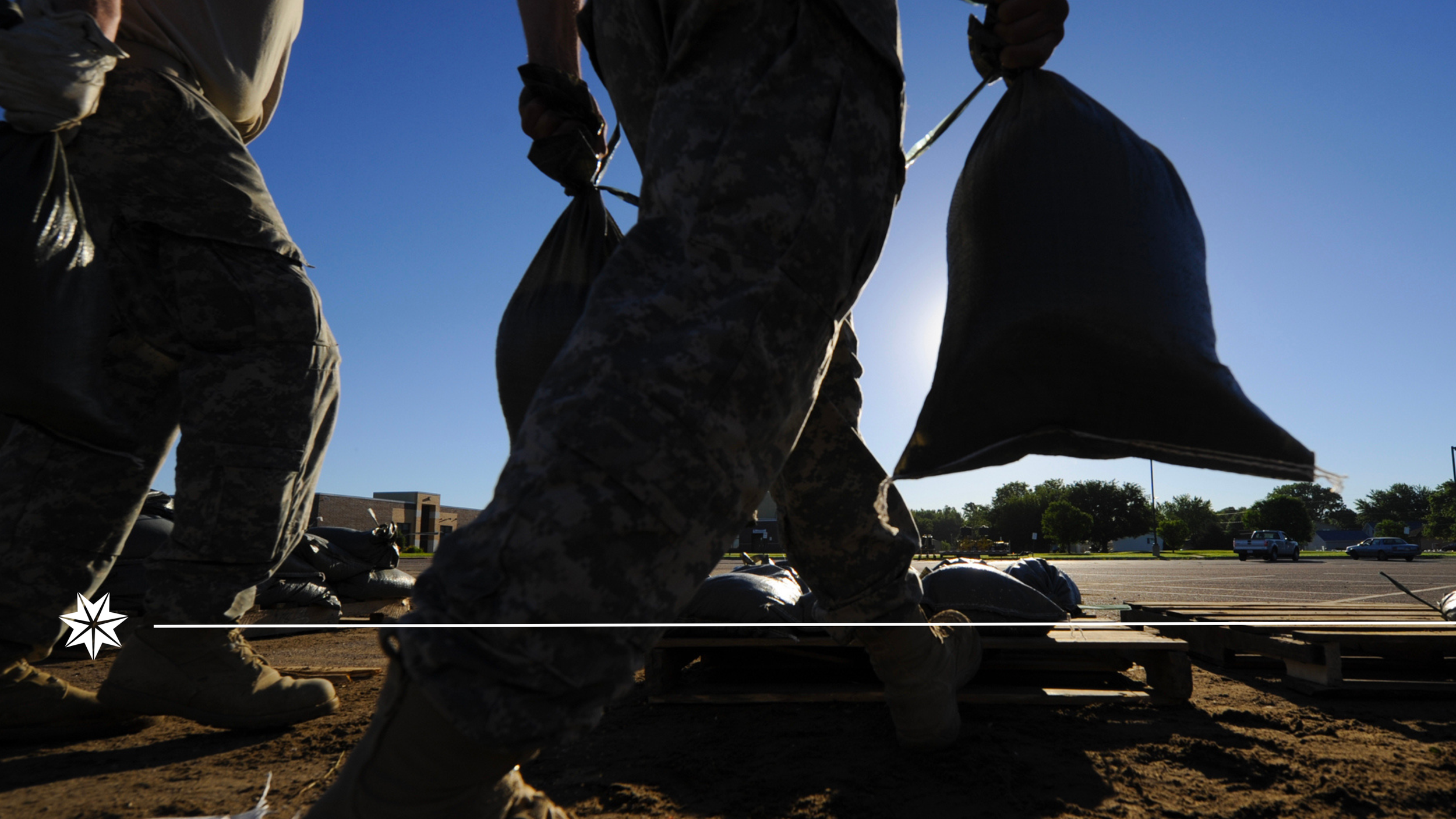
Disasters create some of the most demanding logistics environments imaginable.
Emergency managers must rapidly move personnel, equipment and life-sustaining supplies into areas where infrastructure may be damaged, communications disrupted and operational priorities changing by the hour. Success depends not simply on moving resources quickly, but on moving the right resources to the right place at exactly the right time.
Speed and coordination work together to save lives.
Logistics Operate Under Constant Change
Unlike routine supply chains, disaster logistics rarely follow predictable patterns.
Weather conditions shift, transportation routes become unavailable and operational priorities evolve as new information emerges. Logistics teams must continually reassess conditions while adapting transportation plans and resource allocations throughout the response.
Flexible planning allows agencies to maintain momentum despite changing circumstances.
Adaptability becomes one of the most valuable logistics capabilities.
Visibility Improves Decision-Making
Leaders can only allocate resources effectively when they understand what is available and where it is located.
Modern logistics systems provide real-time visibility into inventories, transportation assets and field operations, allowing emergency managers to make informed decisions quickly. Shared operational awareness also improves coordination across multiple responding organizations.
Accurate information reduces delays while strengthening accountability throughout response operations.
Integration Creates Efficiency
Transportation, warehousing, staging and distribution are closely connected.
Treating these functions as one integrated logistics system improves operational efficiency while reducing unnecessary movement and duplication. Coordinated logistics planning ensures each element supports the broader mission rather than operating independently.
Integrated logistics help agencies maximize available resources during periods of intense operational demand.
Accountability Remains Essential
Emergency response requires urgency, but it also demands responsible stewardship of public resources.
Maintaining documentation, tracking assets and monitoring supply movement help agencies preserve accountability even under challenging operational conditions. Strong logistics management balances rapid execution with disciplined oversight.
Operational control builds confidence while improving future planning efforts.
Logistics That Keep Response Moving
Every successful disaster response depends on logistics professionals capable of adapting to uncertainty while maintaining operational discipline.
Organizations that integrate transportation planning, resource visibility and coordinated logistics create response systems that move efficiently under pressure while supporting mission success from deployment through recovery.