
Recovery Begins with Coordination
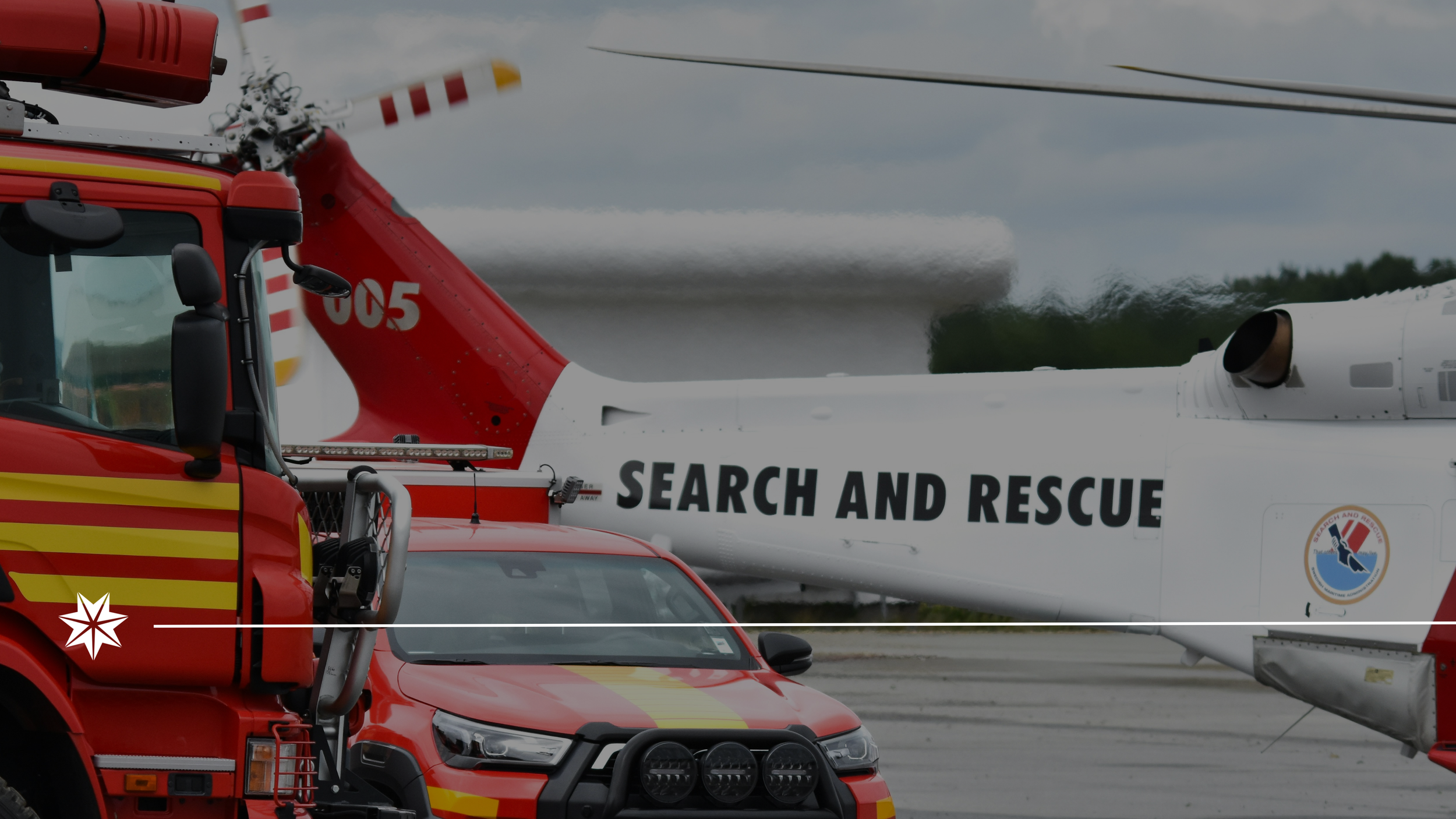
Recovery does not begin when emergency response ends.
It begins during the earliest hours of an incident, when agencies coordinate resources, establish priorities and begin planning for the long-term needs of affected communities. The strength of this coordination often determines how quickly communities restore services, rebuild infrastructure and return to normal.
Recovery is a continuous process built on collaboration.
The Transition Starts Immediately
Response and recovery are closely connected.
Decisions regarding shelter operations, debris removal, housing assistance and public communications all influence long-term recovery efforts. Agencies that begin coordinating recovery activities during emergency response often reduce delays while improving continuity between operational phases.
Early coordination creates smoother transitions for both agencies and communities.
Connecting Services Improves Outcomes
Disaster survivors frequently require support from multiple organizations.
Housing assistance, healthcare, financial aid, employment services and community resources all contribute to long-term recovery. Coordinating these services through integrated case management helps individuals navigate complex systems while reducing barriers to assistance.
Connected services produce stronger outcomes than isolated programs.
Information Supports Better Decisions
Effective recovery depends on accurate information.
Operational dashboards, community assessments and performance metrics help agencies identify emerging needs while prioritizing limited resources. Shared situational awareness also improves coordination across multiple organizations and strengthens accountability throughout recovery operations.
Information helps leaders make timely, informed decisions.
Recovery Creates Future Resilience
Every recovery effort presents opportunities to strengthen communities.
Rebuilding infrastructure, updating emergency plans and investing in mitigation measures help reduce future risks while improving preparedness for the next emergency. Communities that incorporate lessons learned into recovery planning emerge stronger and better prepared for future challenges.
Recovery becomes an opportunity for continuous improvement.
Coordinating Communities Toward Recovery
The most successful recovery efforts are built on strong partnerships, integrated services and coordinated leadership.
By aligning organizations around shared goals, governments help communities restore stability while strengthening resilience for the future. Recovery is not simply about rebuilding—it is about creating stronger systems capable of supporting communities through whatever comes next.