
Strengthening America's Industrial Base Through Domestic Manufacturing
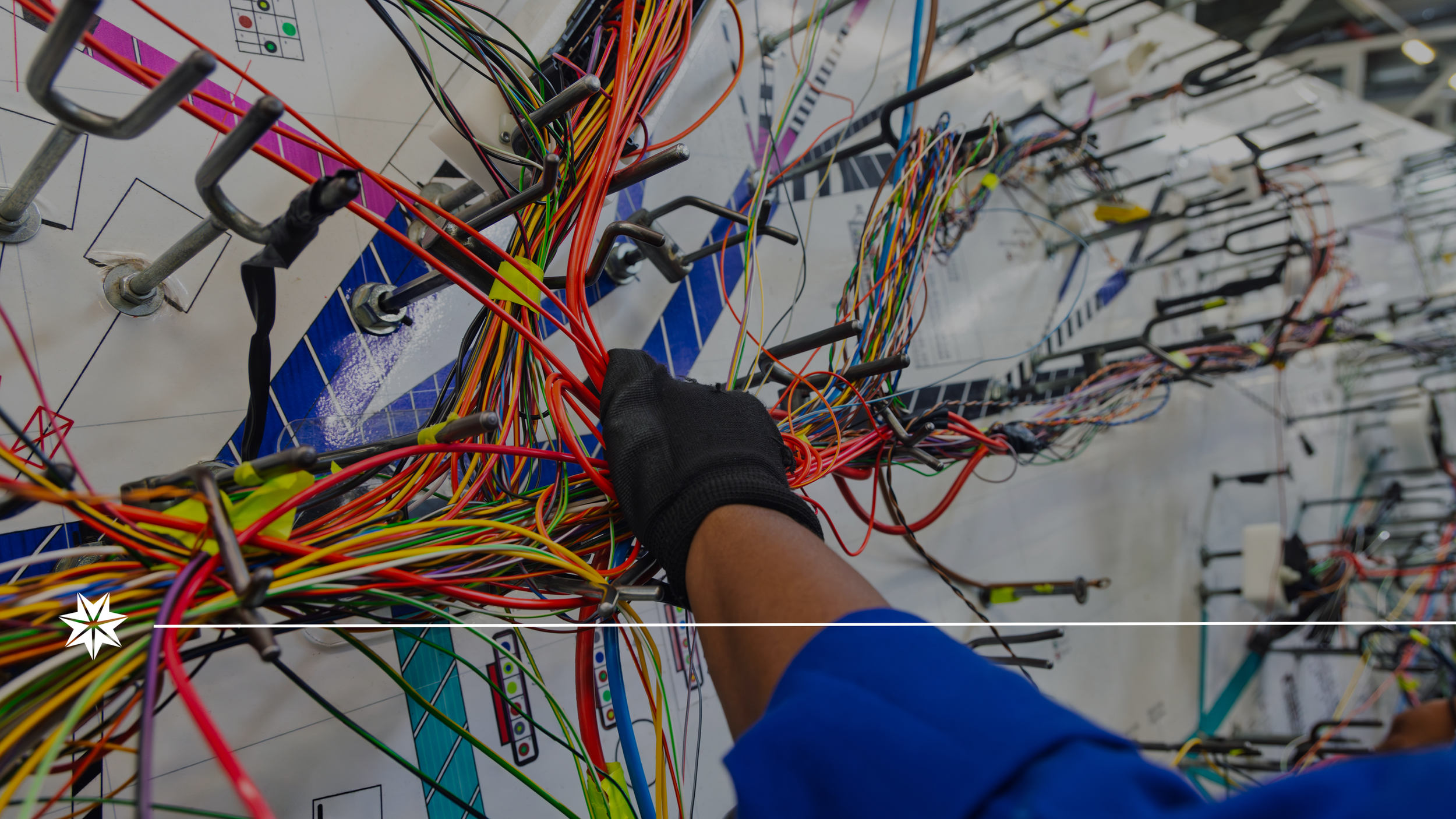
Global supply chains have delivered efficiency for decades, but recent disruptions have underscored the importance of maintaining strong domestic manufacturing capabilities for critical defense and federal programs. From material shortages and transportation delays to geopolitical instability, agencies increasingly recognize that resilient manufacturing is not simply an economic issue. It is a matter of national security.
Today, strengthening America's industrial base requires renewed investment in domestic production, advanced manufacturing technologies and trusted partnerships capable of delivering mission-critical products when and where they are needed.
Manufacturing Is a Strategic Capability
Federal agencies depend on reliable access to components, systems and materials that support everything from aircraft and weapons platforms to communications equipment and critical infrastructure. When manufacturing capacity is concentrated overseas or relies on fragile supply chains, even minor disruptions can delay production schedules and affect operational readiness.
Domestic manufacturing provides agencies with greater control over production, quality and delivery while reducing exposure to global uncertainties. It also enables closer collaboration between engineers, manufacturers and government customers throughout the product lifecycle.
As modernization efforts continue across defense and civilian agencies, strengthening domestic manufacturing has become an essential part of maintaining long-term readiness.
Building Supply Chain Resilience
Recent years have demonstrated that resilient supply chains require more than diversified suppliers. Organizations must also possess the manufacturing capability to produce critical components within the United States when demand increases or international supply chains become constrained.
Domestic production reduces transportation risks, shortens lead times and improves visibility throughout manufacturing operations. It also allows agencies to respond more quickly to changing mission requirements while maintaining confidence in product quality and availability.
By investing in U.S.-based manufacturing, agencies strengthen both operational resilience and long-term supply chain stability.
Advanced Manufacturing Supports Mission Readiness
Modern domestic manufacturing extends well beyond traditional production methods. Advanced machining, automation, digital engineering and precision quality systems enable manufacturers to produce increasingly complex products with greater efficiency and consistency.
These technologies improve repeatability, accelerate production and support the rigorous quality standards required for aerospace, defense and federal applications. At the same time, digital manufacturing tools allow organizations to adapt more quickly to changing requirements without sacrificing precision or reliability.
The result is a manufacturing environment capable of supporting both current operational demands and future modernization efforts.
Supporting America's Industrial Workforce
Manufacturing is also an investment in people. Skilled engineers, machinists, technicians and production specialists provide the expertise necessary to sustain complex manufacturing operations across the country.
Developing and retaining this workforce strengthens regional economies while ensuring critical technical knowledge remains available for future generations of defense and industrial programs. As experienced professionals retire and new technologies emerge, workforce development will continue to play an important role in expanding America's manufacturing capacity.
Strong manufacturing capabilities depend on both advanced technology and highly skilled professionals working together.
Manufacturing That Supports National Security
The nation's industrial base represents more than production facilities—it is a strategic asset that directly supports readiness, resilience and mission success. Organizations that invest in domestic manufacturing help agencies reduce supply chain risk while strengthening America's ability to respond to evolving operational needs.
As demand for advanced manufacturing continues to grow, U.S.-based production will remain essential to delivering the reliable, high-quality solutions federal missions depend on every day.