
Why 4PL Models are Reshaping Federal Logistics
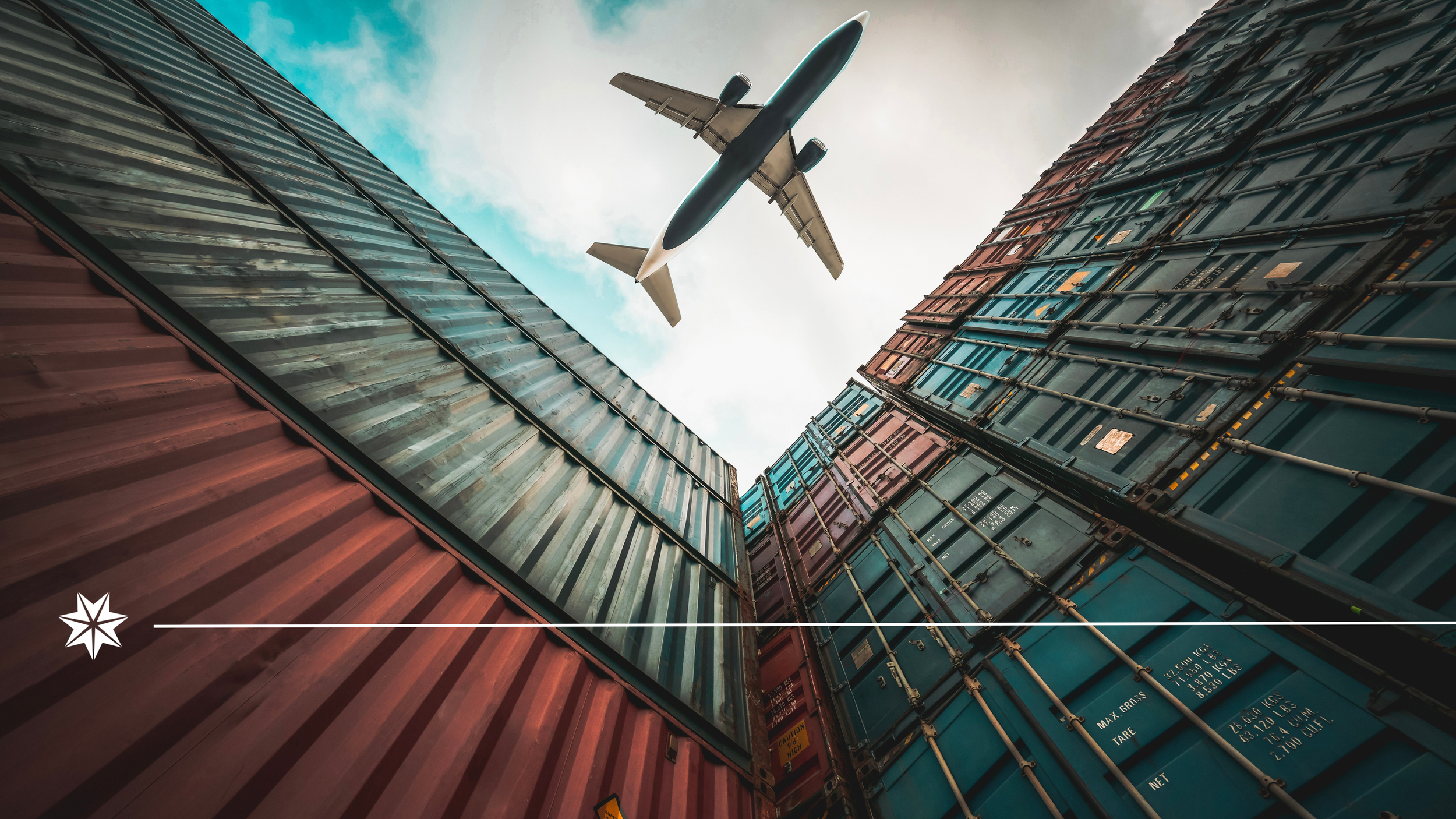
Federal logistics networks continue to grow in complexity. Agencies must coordinate suppliers, transportation providers, warehouses, contractors and operational stakeholders while maintaining accountability, responsiveness and mission readiness. As these networks become larger and more interconnected, many organizations are adopting Fourth-Party Logistics (4PL) models to improve coordination and gain greater visibility across the supply chain.
Rather than managing individual logistics activities independently, 4PL approaches provide centralized oversight that helps agencies align resources, improve performance and reduce operational friction.
Moving Beyond Traditional Logistics Models
Third-Party Logistics (3PL) providers play an important role in supporting transportation, warehousing and distribution activities. However, modern federal missions often require coordination across multiple providers and systems.
A 4PL model serves as an integrator, providing strategic oversight across the entire logistics ecosystem. This approach helps agencies manage complexity while maintaining enterprise-wide visibility into supply chain performance.
Rather than focusing on individual transactions, organizations gain visibility into the broader logistics network supporting mission execution.
Improving Coordination Across Stakeholders
Federal supply chains often involve numerous organizations working toward a common objective. Without centralized coordination, inefficiencies and communication challenges can emerge.
4PL models improve alignment by connecting suppliers, carriers, warehouses and mission stakeholders through unified management and reporting structures. This creates opportunities to streamline processes, reduce delays and strengthen accountability.
The result is a logistics network that operates more efficiently while remaining flexible enough to respond to changing mission requirements.
Supporting Mission Agility
Mission environments rarely remain static. Agencies must adapt to evolving priorities, operational requirements and external conditions.
Because 4PL models provide enterprise-wide visibility, organizations can identify challenges earlier and make informed adjustments more quickly. This agility helps reduce disruptions while improving resource utilization and operational continuity.
As logistics networks continue to evolve, centralized coordination will play an increasingly important role in supporting mission success.
Building Smarter Logistics Networks
Cherokee Federal delivers integrated logistics solutions that help agencies improve visibility, coordination and performance across complex supply chains.
By combining operational expertise with centralized logistics management, Cherokee Federal helps customers navigate complexity, improve responsiveness and support mission readiness worldwide.