
Engineering for Obsolescence: Extending the Life of Critical Defense Systems
Modern defense platforms are designed to last for decades, but the components that power them often are not. As original manufacturers discontinue products, suppliers leave the market and technology rapidly evolves, federal agencies face a growing challenge: how to sustain critical systems when replacement parts no longer exist.
Addressing obsolescence has become one of the most important engineering priorities across defense and aerospace. Rather than replacing entire platforms, agencies increasingly rely on engineering partners to redesign, validate and modernize individual components, extending operational life while controlling costs and maintaining readiness.
The Growing Challenge of Aging Systems
Many aircraft, weapons systems and support platforms currently in service were designed decades ago. While these systems continue to perform critical missions, many rely on electronics, materials or manufacturing processes that are no longer commercially available.
Obsolescence affects more than replacement parts. It introduces challenges across engineering documentation, software compatibility, supply chain availability and manufacturing capability. Without a proactive strategy, even a relatively small component can impact the readiness of an entire system.
As defense modernization efforts continue, agencies must balance investments in next-generation capabilities while sustaining existing platforms that remain essential to national security.
Reverse Engineering Creates New Opportunities
When original technical data is incomplete (or no longer available) reverse engineering provides a path forward.
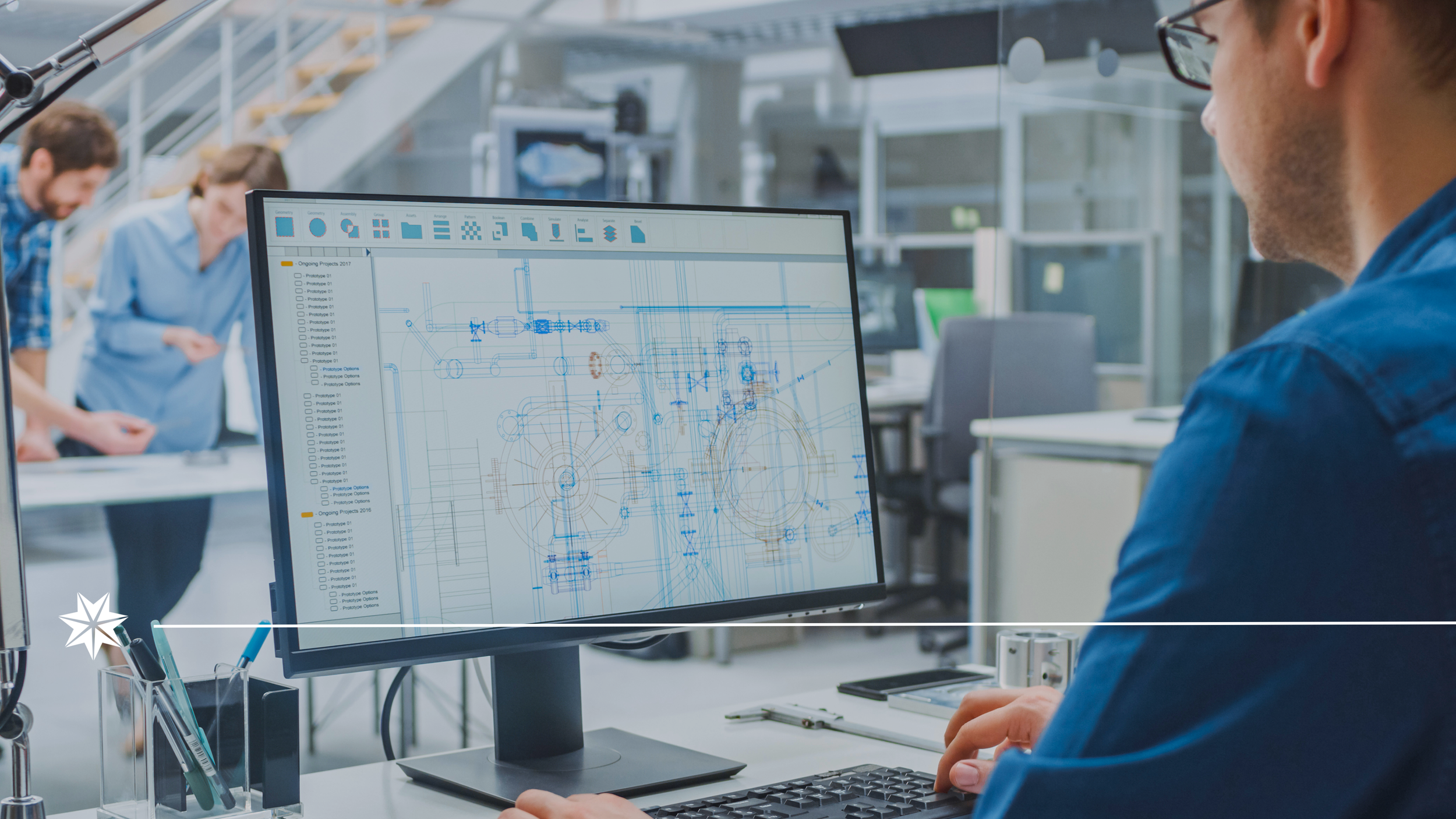
Modern engineering tools allow teams to capture precise measurements, recreate digital models and evaluate component performance before manufacturing begins. Advanced scanning technologies, computer-aided design (CAD) platforms and simulation software make it possible to reproduce or improve legacy components while maintaining compatibility with existing systems.
In many cases, reverse engineering also creates opportunities to improve manufacturability, strengthen reliability or incorporate materials that extend service life beyond the original design.
Designing for Today's Manufacturing Environment
Engineering for obsolescence is not simply about copying an existing component. Every redesign must account for today's manufacturing methods, available materials and quality requirements.
Engineers evaluate how modern production technologies, including precision machining, additive manufacturing and advanced fabrication techniques, can improve performance while reducing production risk.
By considering manufacturability early in the design process, organizations can shorten production timelines, reduce costs and improve long-term sustainability.
Validation Builds Confidence
Replacing an obsolete component requires more than producing a physical part. Agencies must have confidence that redesigned products will perform safely and reliably under operational conditions.
Comprehensive testing, engineering analysis and quality verification ensure that replacement components meet performance expectations while supporting certification and compliance requirements. Validation helps reduce integration risk and provides decision-makers with confidence that modernized systems will continue supporting mission requirements.
Engineering That Sustains Readiness
Obsolescence will remain a reality as defense systems continue operating well beyond their original design life. Organizations that combine engineering expertise, reverse engineering capabilities and advanced manufacturing can help agencies sustain critical platforms while preparing for future modernization efforts.
By treating engineering as a strategic component of lifecycle management rather than a one-time design activity, federal organizations can improve readiness, reduce lifecycle costs and ensure critical systems remain available whenever the mission demands them.