
Manufacturing at Scale Without Compromising Quality
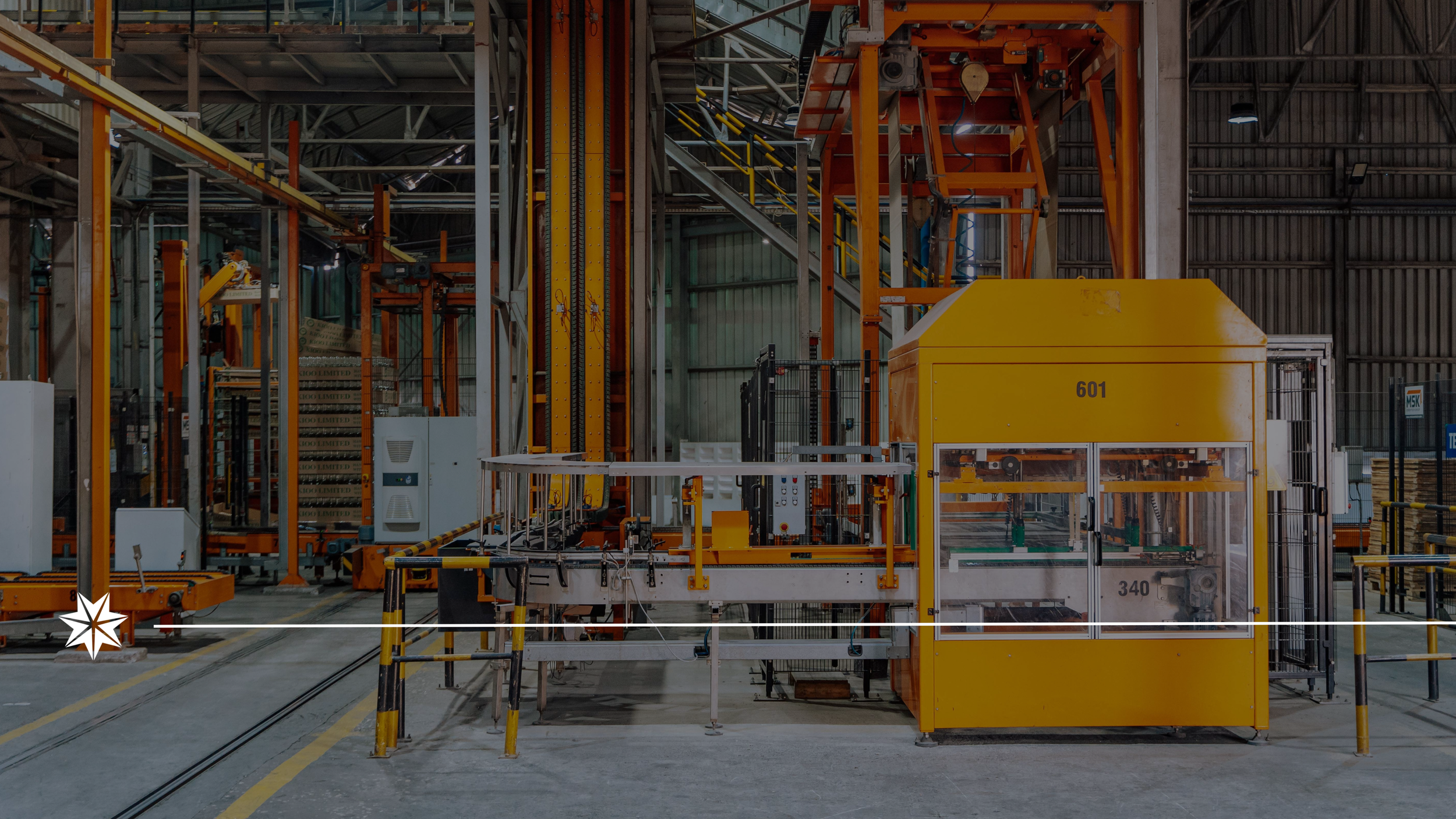
Federal modernization efforts continue to increase demand for advanced manufacturing across defense, aerospace and critical infrastructure programs. As production volumes grow, manufacturers face a familiar challenge: how to increase output without sacrificing the precision, consistency and reliability that mission-critical programs require.
Successfully scaling manufacturing operations requires more than additional equipment or larger facilities. It depends on disciplined processes, advanced technologies and quality systems designed to maintain performance regardless of production volume.
Growth Creates New Manufacturing Challenges
Expanding production introduces additional complexity across procurement, scheduling, workforce management and quality assurance.
Larger production runs require greater coordination between suppliers, engineers and manufacturing teams while maintaining strict control over materials, documentation and inspection processes. Without standardized procedures, increased production can quickly lead to variability, delays or quality concerns.
Scalable manufacturing begins with repeatable processes that perform consistently regardless of volume.
Automation Improves Consistency
Automation has become one of the most effective tools for scaling manufacturing while maintaining precision.
Computer-controlled machining, automated inspection systems and digital production management reduce variability by performing repetitive tasks with exceptional accuracy. Automation also improves throughput while allowing skilled personnel to focus on higher-value engineering, programming and quality activities.
Rather than replacing skilled workers, advanced manufacturing technologies enhance their ability to deliver consistent results at greater scale.
Data Strengthens Production Performance
Modern manufacturing generates significant operational data that supports continuous improvement.
Manufacturers increasingly use digital production systems to monitor equipment performance, production efficiency, quality metrics and material utilization in real time. These insights allow organizations to identify trends, address issues proactively and optimize operations before problems affect production schedules.
Data-driven manufacturing improves both operational efficiency and long-term decision-making.
Quality Must Scale Alongside Production
As production increases, quality systems must grow with it.
Inspection protocols, documentation requirements and certification processes become even more important when manufacturing large quantities of mission-critical products. Organizations that integrate quality management into every production stage maintain consistency regardless of output while reducing rework and improving customer confidence.
Scalable quality systems ensure growth never comes at the expense of reliability.
Manufacturing for the Future
The demand for advanced manufacturing will continue to expand as agencies modernize existing systems and develop new capabilities. Manufacturers that combine advanced technologies with disciplined production processes will be best positioned to support this growth while maintaining the precision federal customers expect.
By designing operations around repeatability, continuous improvement and certified quality, organizations can successfully scale production without compromising the performance that mission success depends upon.