
Recovery is a Long-Term Mission
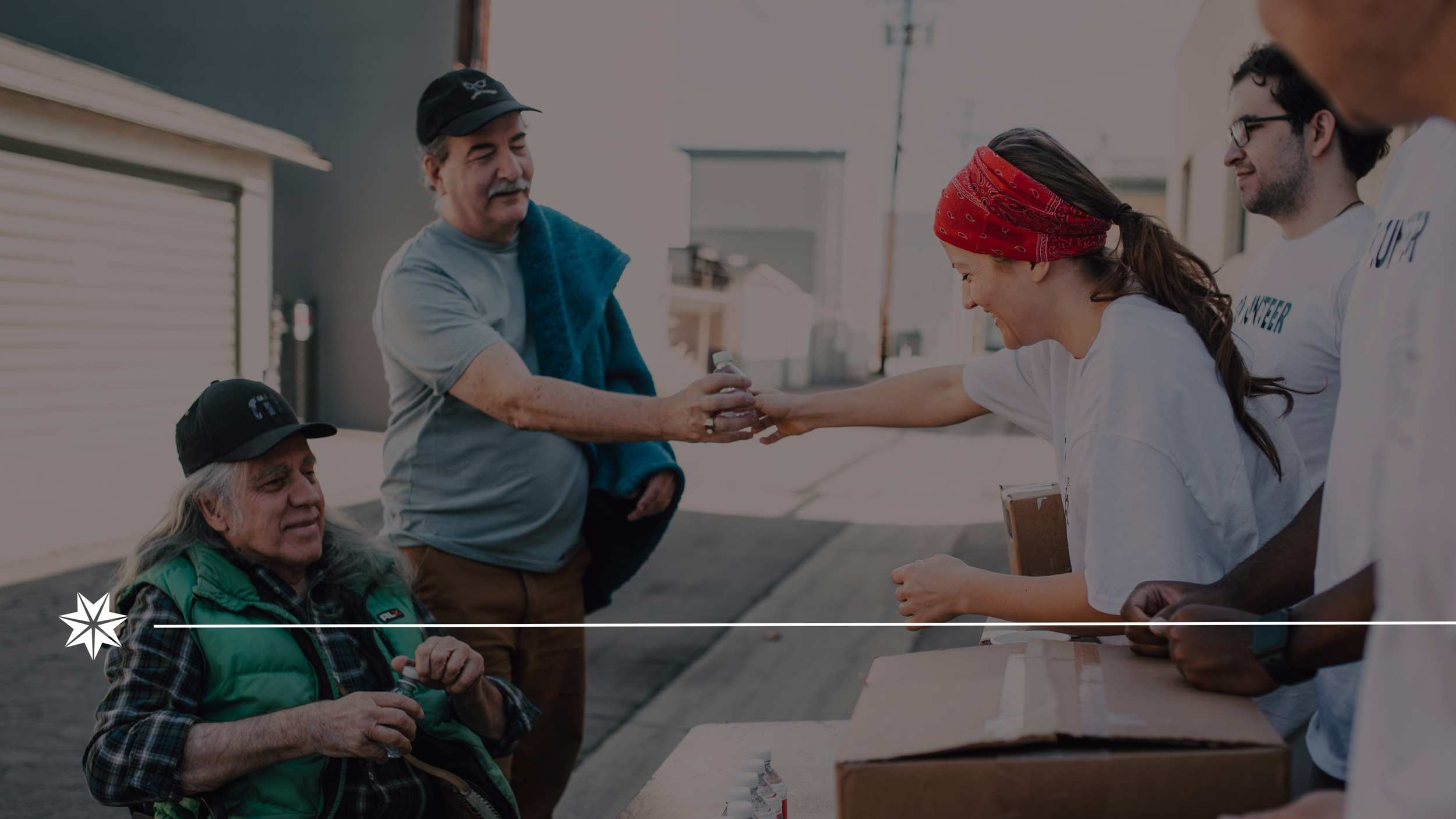
Emergency response may conclude within days or weeks, but recovery often continues for months or even years.
Communities recovering from disasters face challenges that extend far beyond restoring damaged infrastructure. Housing, employment, healthcare, education and community services all require coordinated attention to ensure residents can rebuild their lives and local economies can recover.
Successful recovery recognizes that rebuilding communities is a long-term mission requiring sustained partnership and thoughtful planning.
Recovery Begins Immediately
The transition from response to recovery is not a single event.
Decisions made during emergency operations often influence long-term outcomes. Early case management, housing support, debris removal and continuity planning help communities begin rebuilding while emergency response activities are still underway.
Integrating recovery planning into response operations creates smoother transitions while reducing delays.
People Recover at Different Paces
Every community (and every individual) experiences recovery differently.
Some families quickly return to stable housing and employment, while others face longer-term challenges related to healthcare, transportation or financial stability. Flexible recovery programs recognize these differences by providing coordinated support tailored to evolving community needs.
Long-term recovery depends on meeting people where they are rather than applying one standardized approach.
Partnerships Sustain Progress
Recovery requires collaboration across every level of government alongside nonprofit organizations, community leaders and private-sector partners.
Housing agencies, workforce organizations, healthcare providers and local businesses all contribute to rebuilding stronger communities. Coordinated partnerships ensure resources remain aligned while preventing gaps in service delivery as recovery progresses.
Shared responsibility creates stronger long-term outcomes.
Building Future Resilience
Recovery also creates opportunities to prepare for future emergencies.
Communities often use rebuilding efforts to strengthen infrastructure, improve emergency planning and address vulnerabilities identified during the disaster. These investments reduce future risk while improving overall resilience.
Recovery is therefore not only about restoring what existed. It is about building something stronger.
Recovery Is an Investment in the Future
Disaster recovery extends well beyond restoring buildings and services.
It is an opportunity to strengthen communities, improve coordination and create systems that better support residents through future challenges. Agencies that approach recovery as a long-term mission help communities emerge not only restored, but more resilient than before.