
The Logistics Behind Every Successful Disaster Response
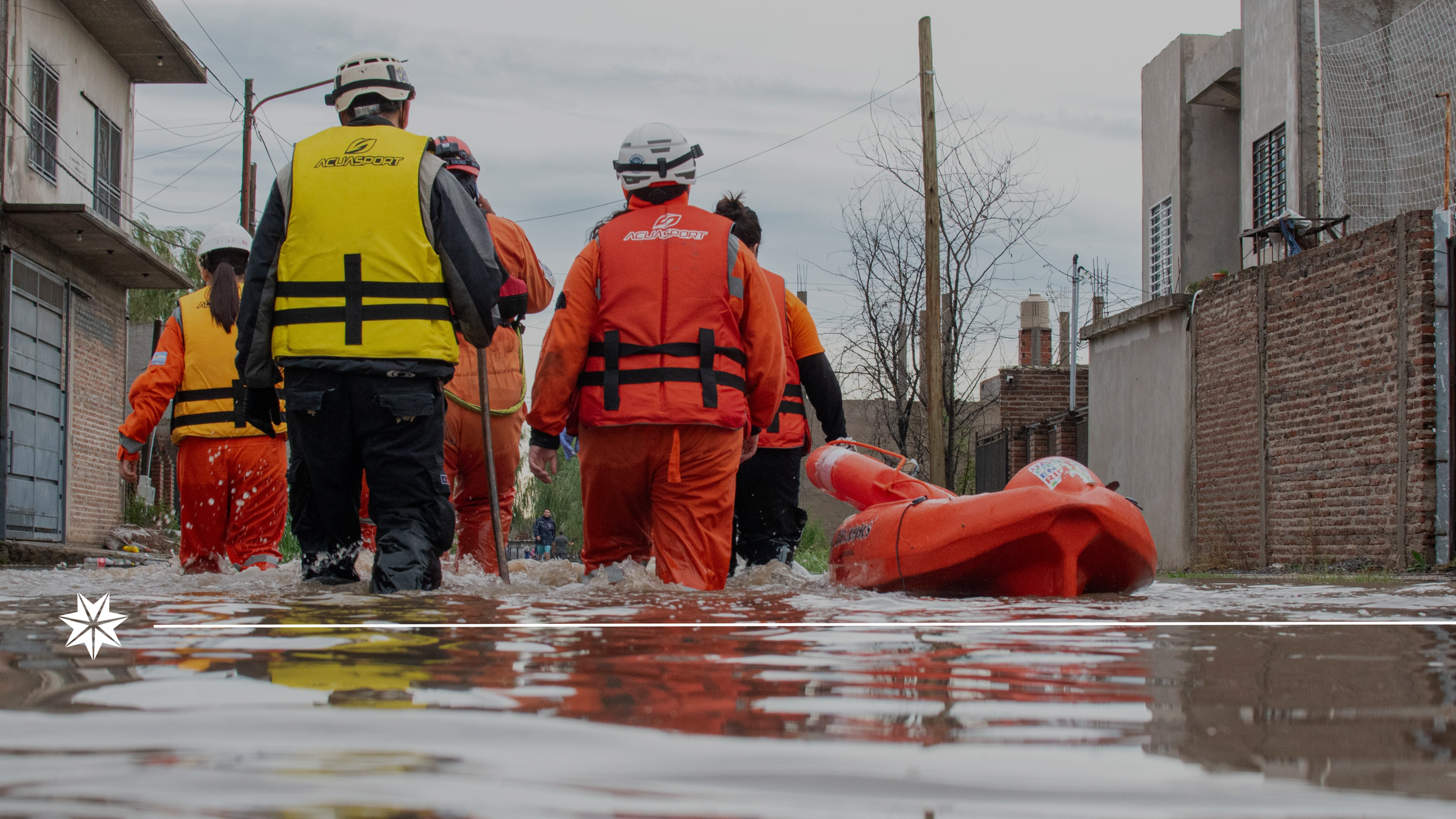
When disasters strike, attention often focuses on first responders, emergency shelters and recovery efforts. Behind every successful response, however, is an extensive logistics operation working to move people, equipment and supplies into rapidly changing environments.
Transportation, staging, warehousing and supply chain coordination determine how quickly critical resources reach affected communities. Without these logistics capabilities, even the most experienced response organizations struggle to maintain operational momentum.
Disaster response begins with logistics.
Every Response Depends on Movement
Disasters disrupt the very systems emergency responders rely upon.
Roads become impassable, airports close, communications fail and supply routes change with little warning. Logistics teams must quickly evaluate available infrastructure, identify alternate transportation routes and establish staging locations capable of supporting ongoing operations.
This flexibility allows agencies to continue moving critical resources despite rapidly evolving conditions.
Successful logistics planning anticipates disruption rather than reacting to it.
Staging Improves Operational Efficiency
Effective disaster response requires more than transporting supplies.
Strategically positioned staging areas allow agencies to receive, organize and distribute personnel, equipment and essential commodities efficiently throughout affected regions. These locations become operational hubs that support coordination while reducing delays during deployment.
Well-managed staging operations also improve visibility into available resources, helping decision-makers allocate supplies where they are needed most.
Coordination Strengthens Response
Disaster logistics rarely involve a single organization.
Federal, state and local agencies, military organizations, nonprofit partners and private-sector providers all contribute to moving resources during emergencies. Coordinating these activities requires shared situational awareness, standardized communication and integrated planning.
Strong logistics coordination reduces duplication while improving accountability across complex response operations.
The goal is a unified supply chain capable of supporting the entire mission.
Logistics Continue Beyond Initial Response
The logistics mission does not end once immediate lifesaving operations conclude.
Communities continue requiring equipment, building materials, medical supplies and operational support throughout recovery. Maintaining efficient transportation networks and supply chain visibility helps agencies sustain operations while supporting long-term rebuilding efforts.
Effective logistics create continuity across every phase of disaster operations.
Logistics Enable Mission Success
Emergency response depends on more than rapid deployment.
Organizations that invest in transportation planning, staging operations and coordinated supply chains improve operational agility while ensuring responders receive the resources they need to protect communities. As disasters become more frequent and complex, logistics will remain one of the defining factors in successful emergency response.