
From Concept to Production: Accelerating Product Development for Government Programs
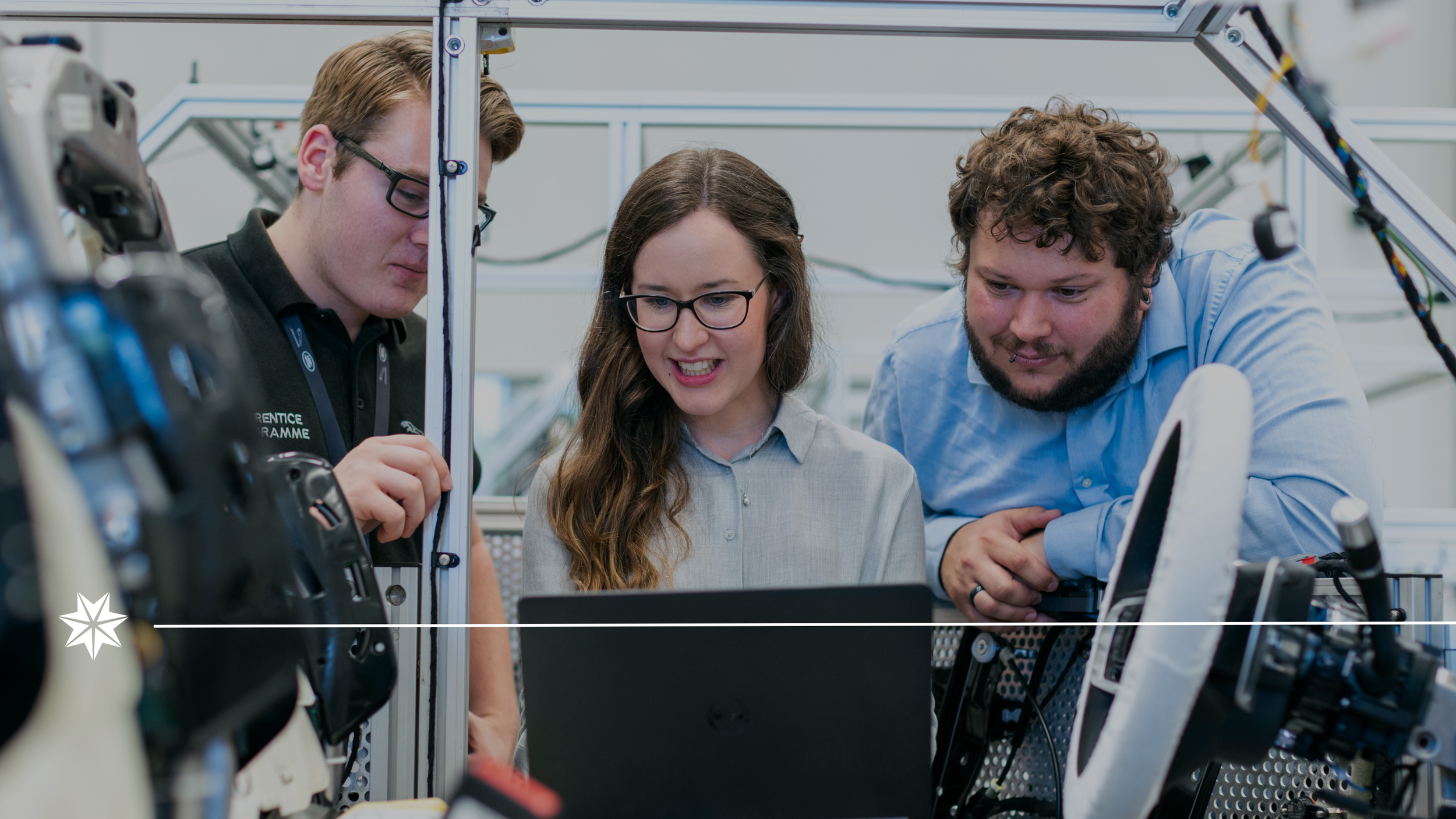
Successful manufacturing begins long before the first component reaches the production floor. Every mission-ready product starts with thoughtful engineering, careful planning and continuous collaboration between designers, manufacturers and end users.
As federal agencies accelerate modernization initiatives, engineering teams are expected to reduce development timelines while maintaining rigorous standards for quality, safety and performance. Achieving both requires an integrated approach that connects every phase of product development – from concept through production.
Building Better Products Starts Earlier
Product development begins with understanding the operational problem that needs to be solved.
Engineers work closely with stakeholders to translate mission requirements into technical specifications that balance performance, manufacturability, lifecycle support and cost. Early collaboration helps identify potential challenges before they become expensive production issues, allowing programs to move forward with greater confidence.
By addressing manufacturing considerations during design, organizations reduce downstream changes that can delay schedules and increase program risk.
Rapid Prototyping Accelerates Innovation
Modern prototyping tools allow engineering teams to evaluate concepts faster than ever before.
Digital modeling, additive manufacturing and iterative prototype development enable engineers to validate form, fit and function before committing to full-scale production. These technologies reduce uncertainty, support stakeholder feedback and create opportunities for continuous improvement throughout the design process.
Rather than waiting until production begins to identify issues, organizations can resolve challenges earlier, saving both time and resources.
Engineering and Manufacturing Must Work Together
One of the most effective ways to reduce development timelines is integrating engineering and manufacturing from the beginning.
Design decisions directly affect production efficiency, material selection, quality control and long-term sustainment. When engineers collaborate closely with manufacturing teams, products can be optimized for production without compromising operational performance.
This integrated approach helps improve consistency, simplify assembly and reduce the likelihood of costly redesigns later in the program lifecycle.
Testing Reduces Risk Before Production
Testing is an essential part of product development, and not simply a final checkpoint before delivery.
Engineering teams validate product performance throughout development using simulation, functional testing and prototype evaluation. Each iteration provides valuable data that strengthens design decisions and improves product reliability before manufacturing begins.
Early testing also supports certification requirements and helps ensure products perform as intended once deployed.
Engineering That Accelerates Mission Success
Federal programs increasingly require products that can move from concept to deployment quickly without sacrificing quality or reliability.
Organizations that integrate engineering, prototyping, manufacturing and testing into a unified development process are better positioned to reduce risk, accelerate schedules and deliver solutions that perform in operational environments.
By treating product development as a collaborative lifecycle rather than a series of disconnected phases, agencies can move innovative capabilities into the field faster while maintaining the performance standards mission success requires.